
For the women who are still here
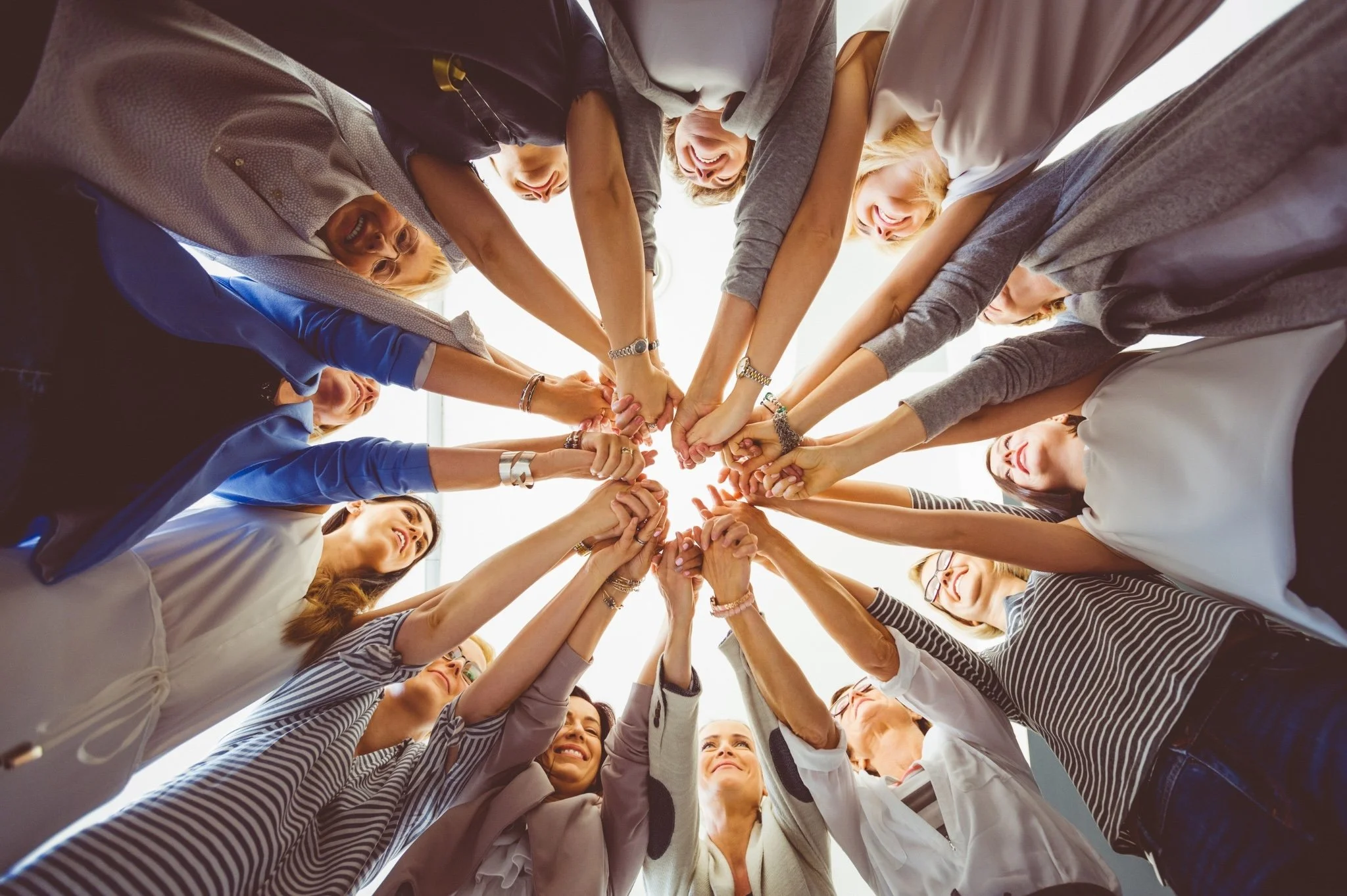
“Culture does not make people. People make culture.”
Every year, International Women’s Day arrives with a sudden burst of activity.
Panel events. Social media posts celebrating “the incredible women in our organisation.” Statements about commitment to equality.
All very worthy, and certainly well-intentioned.
And yet, if we’re honest, many women are wondering the same thing:
What happens on the other 364 days of the year?
Last year, I went to a lot of events. Some were genuinely thoughtful and encouraging. I’m glad those spaces exist.
But I came away thinking about how much of the real work happens long after the event finishes.
This year, I haven’t organised anything. And I don’t feel guilty about that.
Because the longer I spend in this profession, the more convinced I am that real progress for women doesn’t come from one day of speeches and hashtags. It comes from the everyday interactions that determine whether someone feels they belong.
A word of encouragement at the right moment.
Someone noticing you’re struggling and offering help.
A senior colleague opening a door instead of holding it shut.
That’s what keeps people in the profession - or, over time, pushes them out.
That reality came into sharp focus when I mentioned Female Lawyers’ Club to a law student a few months ago and she asked a question that surprised me.
“Why is it just for women? Why exclude men?”
At first, I almost laughed, because the answer felt so obvious to me. But then I realised something: she simply hadn’t experienced the profession long enough to see the patterns yet.
At the start, things look broadly equal. Men and women join in similar numbers. Everyone is bright, ambitious and hopeful. It feels meritocratic.
It’s only later that the differences begin to show.
Who is put forward for high-profile work.
Who is described as “committed.”
Whose mistakes are remembered, and whose are overlooked.
Who is encouraged to apply for promotion and reassured that success is virtually guaranteed, and who has to fight simply to be considered at all.
I once had a male colleague invited to submit a promotion application over a single weekend and told it was just a formality and he would definitely get it. In fact, this happened to him twice! My own route involved a far more complex and demanding process just to get onto the long list.
Experiences like that are hard to forget. And when you start talking to other women, you realise how familiar those stories are.
None of this is inevitable. Not everyone experiences it. But enough women do that the cumulative effect becomes hard to ignore.
By the time many realise what’s happening, they are already exhausted, discouraged, or questioning whether they still want to be there at all.
I hope that won’t be the law student’s experience. I truly do. But it was mine, and it was the experience of many women I have worked with.
And that is why spaces like Female Lawyers’ Club exist. Not to exclude men, but to support women working in a profession that was not originally designed with them in mind.
This isn’t just a workplace issue. It matters for society as a whole.
If a woman needs legal advice about something deeply personal, such as abuse, discrimination or family breakdown, she should be able to choose to speak to a senior woman if that feels safer or more comfortable for her.
If women continue to leave the profession in large numbers, that choice disappears.
The legal profession should reflect the people it serves. Not just in theory, but in reality.
So if conferences and hashtags aren’t enough, what actually helps?
None of this will win any awards, but it may well help another woman stay in the profession and thrive:
Keeping the ladder down for the next person.
Backing another woman’s idea in a meeting.
Introducing her to someone who could help her career.
Putting her forward for the opportunity instead of assuming she’s too busy.
Encouraging a junior who is capable but lacks confidence.
Choosing not to join in when someone is undermined.
Sharing knowledge instead of guarding it.
None of this requires a title, permission or a budget.
You don’t have to turn yourself into someone else to succeed in this profession. Unless you want to, of course.
There isn’t one template for what a “serious” lawyer looks like, despite what many of us absorbed early on.
In my experience, the qualities that actually build strong practices are often the ones people worry make them look less formidable: empathy, reliability, the ability to listen properly, treating people decently even when things are stressful.
Clients remember how you make them feel as much as what you advise them. Colleagues remember who was fair, who was supportive, who could be trusted when things got difficult.
If you are reading this, there is a good chance you already are one of those examples, even if you don’t feel particularly senior or influential. This will likely play out in ways you may not be aware of.
Someone junior notices how you handle things.
Someone feels reassured when you speak.
Someone takes courage from your presence.
You don’t have to be perfect. You just have to be there.
So this International Women’s Day, there is no grand programme or call to attend an event.
Just a simple invitation.
Continue.
Continue modelling the behaviours you wish you’d seen earlier in your career.
Continue supporting other women in ways big and small.
Continue speaking up when it would be easier not to.
Continue building the kind of profession you want the next generation to inherit.
And if you would like to do that alongside other women who feel the same way, you don’t have to do it alone.
Communities matter. Support matters. Knowing you’re not the only one matters.
That is why Female Lawyers’ Club exists.
Not for one day a year, but for the other 364.
And you, whether you realise it or not, are already part of that change.
If this resonates, share it with a woman who has helped you, or a woman who might need it right now.
Happy International Women’s Day.
And thank you for everything you are already doing, often unseen, to make this profession better.
Enjoy the rest of your week.
Rachel