
What female lawyers can learn from The DOSE Effect
“You don’t get lucky. You get into position.”
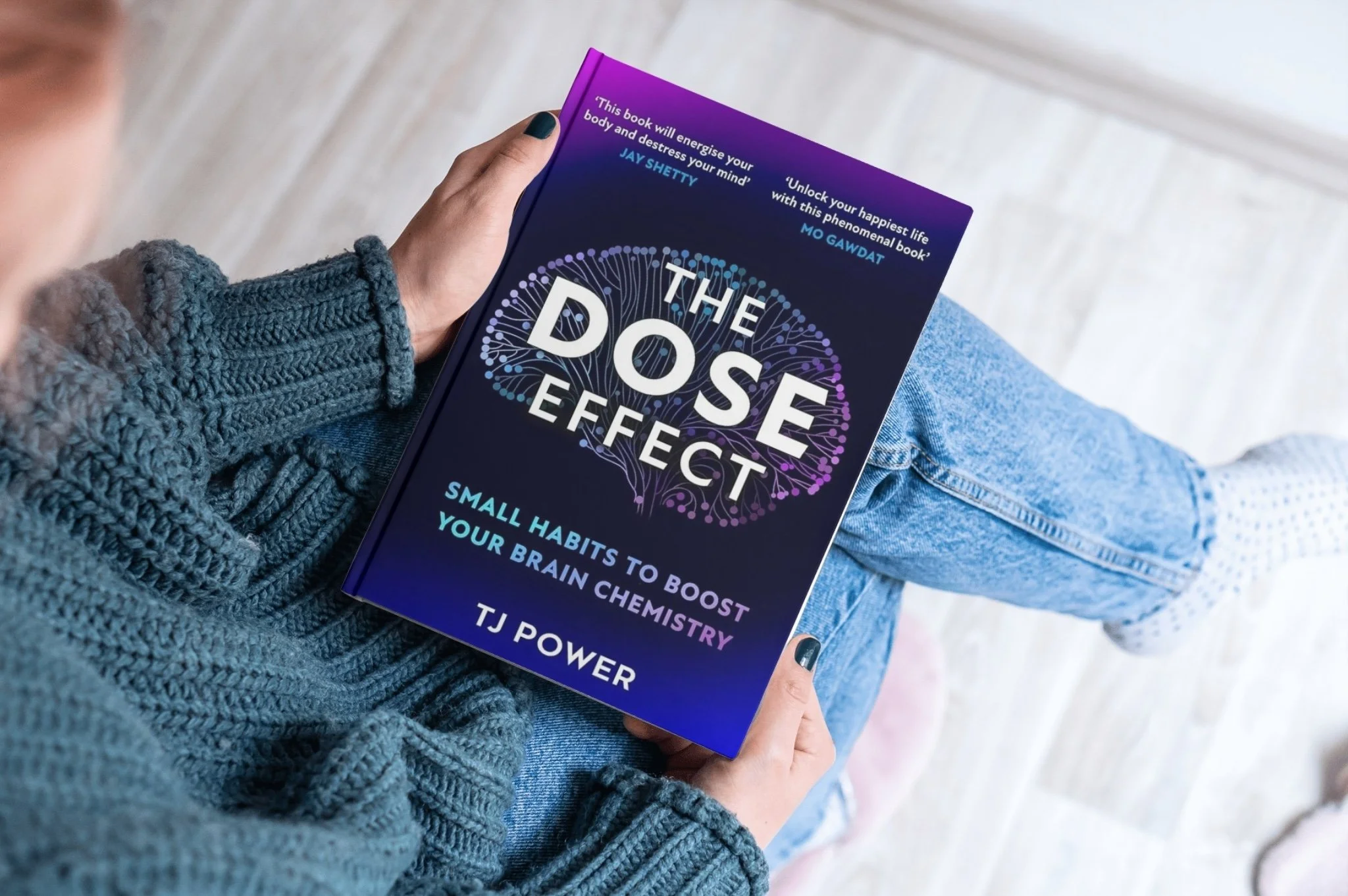
Like many lawyers, I’m curious about why some days feel manageable and energising, while others leave us depleted before lunchtime. When I read The DOSE Effect by TJ Power, it put language and structure around something many of us already sense instinctively: our brains are running powerful chemical systems in the background, and modern working life often pushes those systems in the wrong direction.
For female lawyers in particular, juggling demanding careers, emotional labour, and responsibilities outside work, understanding how these systems operate can be genuinely empowering.
The four chemicals that shape how we feel at work
TJ Power’s central idea is simple and memorable. Our day-to-day experience is strongly influenced by four key brain chemicals, together making up the DOSE acronym of the title.
Each of these chemicals affects how we feel in our bodies as well as our minds. They influence our energy, confidence, focus and sense of connection, often without us realising it.
Dopamine – the motivation and reward chemical. It’s what helps us feel driven, focused and satisfied when we make progress.
Oxytocin – the connection chemical. It helps us feel safe, supported and like we belong.
Serotonin – the confidence and self-worth chemical. It’s closely linked to feeling respected, capable and secure in our role.
Endorphins – the stress-buffering chemical. They help take the edge off pressure and physical tension.
The issue isn’t that any of these are problematic in themselves. In fact, these are often described as our “feel-good” chemicals. We need them to function well and to feel human.
What’s missing from this conversation, though, is that alongside these, our bodies also produce stress-response chemicals. For this, there is another acronym: CAN:
Cortisol, which helps us respond to pressure but, when elevated for long periods, keeps the body in a constant state of alert.
Adrenaline, which prepares us for action, sharpens focus in the short term, but can leave us jittery, wired and exhausted if it’s always switched on.
Noradrenaline, which increases vigilance and concentration, but can tip into anxiety and overwhelm when it’s repeatedly triggered.
Legal work is very good at activating CAN. Tight deadlines, high stakes, conflict and responsibility all push these chemicals into overdrive. When they’re not managed, the impact can show up as anxiety, poor sleep, burnout and longer-term health issues.
Managing stress chemicals matters. But the focus of today’s blog is how we can intentionally boost our DOSE chemicals to bring our nervous systems back into balance. With that in mind, let’s look at how each one shows up in legal life and what we can do to get more happy chemicals (of the legal kind).
Dopamine: when motivation turns into pressure
Lawyers, like most humans, are often very dopamine-driven. Targets, deadlines, client wins and promotions all create that familiar sense of urgency and reward.
The challenge is that dopamine thrives on anticipation rather than completion. Many female lawyers move straight from one task to the next, rarely pausing to register what they’ve already achieved. Over time, this can lead to feeling constantly “on edge”, even when things are going well on paper.
Try this:
Build in moments of completion. Keep a “done list” alongside your to-do list. Take a short pause at the end of the day to notice what you’ve done and what you’ve handled well. Some people recommend moving away from a “to-do” list and instead have a “ta-da” list!
Inside the Female Lawyers’ Club membership, we’ve talked about creating a “dopamenu”. This is a personalised list of simple, healthy ways to get a dopamine boost, without defaulting to scrolling on social media or repeatedly checking emails.
A dopamenu might include:
a short walk between calls
ticking off one small, achievable task
listening to a favourite song
gentle movement or stretching
five minutes with a notebook to clear your head
The benefit in creating your own dopamenu that it removes decision-making in the moment. When your energy dips, you already have options to hand that support focus rather than fragment it.
Oxytocin: why connection really matters
Oxytocin is released through connection, trust and feeling understood. Despite working in busy teams, many women lawyers describe feeling isolated, especially in competitive environments or when working remotely.
Low oxytocin doesn’t just affect wellbeing; it can undermine confidence and resilience at work, making you less effective and less happy.
Try this:
Prioritise meaningful connection. One honest conversation with someone you trust can be more supportive than multiple surface-level interactions. Peer groups, mentoring and women-only spaces are not indulgent; they are chemically supportive of not only your career but your health too.
Serotonin: confidence isn’t just about mindset
Serotonin is closely linked to feelings of self-worth and respect. In law, status is often measured narrowly, by title, hours or visibility. Women who work flexibly, return from maternity leave or take less linear paths can find their contributions overlooked.
This is often where self-doubt creeps in, not because you’re not good enough (you are), but because recognition is inconsistent.
Try this:
Collect evidence of your positive results and impact. Save positive feedback, successful outcomes and moments where you made a difference. Revisiting these supports confidence during more challenging periods.
Endorphins: stress relief isn’t optional
Endorphins help buffer physical and emotional stress. Movement, laughter and breathing all support their release, yet these are often the first things sacrificed during busy periods. We all know how easy it is to miss a gym visit when work gets busy.
Try this:
Think small and realistic. A short walk, stretching between calls or a moment of humour during the day all help your nervous system reset. Even just watching a 2 minute YouTube comedy video can make all the difference.
A final thought
What I appreciated most about The DOSE Effect is that it shifts the conversation away from “coping better” and towards understanding how we’re wired.
For female lawyers, this can reduce self-blame. Feeling exhausted, disconnected or under-confident is often a predictable response to how our work is structured, rather than a personal failing. Small, intentional changes, like building connection, acknowledging progress or creating a dopamenu, can make a meaningful difference over time.
Making small changes with DOSE chemicals in mind has really benefited my mental health over the last few months since reading the book. Perimenopause has really done a number on me, with crippling anxiety and brain fog becoming regular unwelcome visitors. I’ve long known I needed to do something about it but the DOSE effect (and, let’s be honest, HRT) have really helped.
I am now going out walking in nature as often as I can (every day, ideally) with no headphones in, to give my overloaded brain some much needed recovery time. That alone has helped, as has doing the morning and evening yoga routine specially created for Female Lawyers’ Club members by yoga teacher Jenny Burley-Ward. Being more intentional about hugging family and friends has also made a difference, as has paying close attention to what I have got done in a day (not all the things I didn’t do).
I really hope this blog helps you too.
Enjoy the rest of your week.
Rachel